


Epoxy Flooring Cost: Essential Insights Before You Invest
Epoxy Flooring Cost: Essential Insights Before You Invest
When considering an investment in flooring upgrades, one of the first questions that arises is: what determines the final price? For property owners in Aston, PA, understanding the variables that influence pricing helps create realistic budgets and prevents unexpected expenses down the line.
Several core elements shape the overall investment required for a quality floor coating project. Surface area stands as the most obvious factor, with larger spaces naturally requiring more materials and labor hours. However, size alone does not tell the complete story. The condition of your existing concrete surface plays a significant role in determining preparation requirements. Surfaces with cracks, moisture issues, or previous coatings demand additional work before new materials can be applied.
Material selection represents another critical consideration. Standard solid color systems typically fall at the lower end of the pricing spectrum, while decorative options featuring metallic finishes or custom graphics command higher rates due to specialized application techniques and premium components. The thickness of the coating system also affects pricing, with industrial-grade applications requiring multiple layers for enhanced durability and chemical resistance.
Pennsylvania’s climate introduces unique considerations that impact project costs. Winter months bring freezing temperatures that can extend curing times or require climate-controlled environments for proper installation. Spring often sees increased demand as property owners prepare spaces for warmer weather use, which may affect scheduling and pricing. These regional factors make timing an important element in your planning process.
Breaking Down Price Categories
Most residential garage applications using basic solid color systems range from $3 to $7 per square foot for professional installation. This pricing tier includes proper surface preparation, primer application, base coat, and topcoat sealer. For a standard two-car garage measuring approximately 400 square feet, property owners can expect investments between $1,200 and $2,800.
Decorative options elevate both the visual appeal and the price point. Flake systems, which incorporate colored chips broadcast into the base coat, typically fall between $5 and $10 per square foot. These systems offer enhanced texture, improved slip resistance, and virtually unlimited color combinations. Metallic finishes, prized for their distinctive three-dimensional appearance and depth, generally range from $8 to $15 per square foot due to specialized application methods.
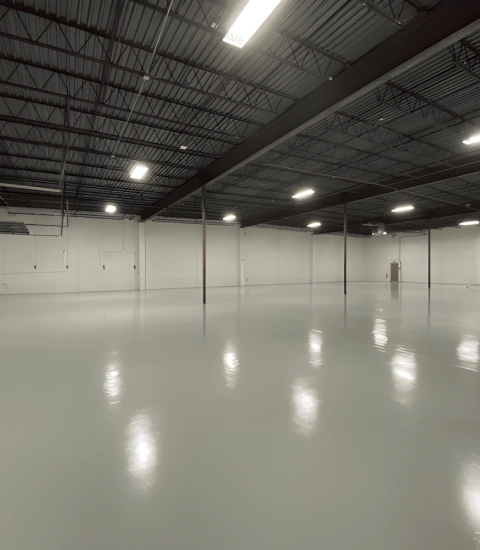
Commercial and industrial projects operate on different scales and specifications. Warehouse facilities, manufacturing floors, and commercial kitchens require heavier-duty systems with enhanced chemical resistance and load-bearing capabilities. These applications typically range from $7 to $20 per square foot, depending on performance requirements and environmental conditions.
Custom graphics and logo integration add specialized value to commercial spaces. Businesses seeking to incorporate branding elements or wayfinding systems into their flooring should anticipate premium pricing, as these features require detailed design work, precision masking, and multiple application stages. Budget considerations for custom work typically start at $15 per square foot and increase based on complexity.
Why Preparation Determines Value
The foundation of any successful coating project lies in thorough surface preparation. This critical phase can represent 40 to 60 percent of total project costs, yet remains the most important investment for long-term performance. Inadequate preparation leads to premature failure, regardless of material quality or application skill.
Diamond grinding stands as the preferred method for creating proper surface profile. This mechanical process removes surface laitance, opens concrete pores, and creates the texture necessary for optimal adhesion. Properties with existing coatings require complete removal before new materials can be applied, adding time and expense to the project. Oil stains, particularly common in garage settings, demand specialized treatment to prevent adhesion issues.
Moisture testing represents another essential preparation step, especially for basement applications or concrete slabs without proper vapor barriers. Excessive moisture vapor transmission causes coating delamination and failure. When tests reveal moisture issues, vapor barrier primer systems provide solutions but add to material costs. Some situations require more extensive moisture mitigation measures before coating installation becomes viable.
Crack repair and joint filling prevent future problems and ensure uniform appearance. Structural cracks require evaluation and proper treatment, while minor surface cracks receive flexible filler materials that move with the concrete. These repairs, while adding to initial costs, protect your investment by preventing coating failure at weak points.
Investing in Performance Materials
Material selection directly correlates with performance expectations and longevity. Entry-level products available at retail outlets may appear cost-effective initially, but often contain high solvent content that reduces actual solids and results in thinner applied coatings. Professional-grade materials feature higher solids content, superior bonding characteristics, and enhanced resistance to chemicals, abrasion, and UV exposure.
Two-component systems, requiring mixing of resin and hardener, provide superior performance compared to single-component alternatives. The chemical reaction between components creates a cross-linked polymer structure that delivers exceptional durability. While these systems cost more and require precise mixing ratios, the performance benefits justify the investment for most applications.
Topcoat selection significantly impacts both appearance and functionality. Aliphatic urethane topcoats offer superior UV resistance, preventing yellowing and color fade in areas exposed to sunlight. These premium topcoats cost approximately 30 to 50 percent more than standard options but prove essential for outdoor applications or spaces with significant natural light exposure.
Slip-resistant additives provide important safety benefits, particularly in commercial settings or areas exposed to moisture. Various aggregate materials offer different texture levels, from subtle to aggressive, allowing customization based on specific needs. While these additives add minimal cost per square foot, their safety value makes them worthwhile considerations for most projects.
Planning Your Floor Coating Project
Armed with pricing knowledge, property owners can make informed decisions aligned with their specific needs and budgets. Start by clearly defining your project goals. Residential garage spaces typically prioritize aesthetics and moderate durability, while commercial applications demand heavy-duty performance and extended warranties.
Request detailed written estimates that itemize all project components, including surface preparation, materials, labor, and warranty terms. Vague or overly simplified quotes often hide important details that emerge as unexpected costs during installation. Quality contractors provide transparent pricing and explain the rationale behind each project element.
Consider long-term value rather than focusing solely on initial price. A properly installed professional system should perform for 10 to 20 years with minimal maintenance, while bargain solutions may require replacement within three to five years. Calculate cost per year of service to gain accurate perspective on true value.
The Real Floor Horseman brings extensive experience in floor coating systems throughout the Aston area and surrounding Pennsylvania communities. Our team provides accurate estimates based on thorough site evaluation, uses professional-grade materials designed for lasting performance, and follows proven installation processes that ensure proper adhesion and curing. From residential garage floors to commercial facilities, we deliver solutions tailored to your specific requirements and budget parameters.
Timing your project strategically can optimize both scheduling and budget. Spring and fall offer ideal installation conditions in Pennsylvania, with moderate temperatures supporting proper curing without climate control requirements. While winter and summer installations remain possible with appropriate measures, these seasons may involve additional considerations that affect project logistics.
Ask about warranty coverage and what it includes. Quality contractors stand behind their work with written warranties covering both materials and installation. Understand maintenance requirements, as proper care extends system life and protects your investment. Most professional coatings require only simple cleaning with pH-neutral solutions, avoiding harsh chemicals that degrade protective layers.